The Algorithmic Newsroom: How AI, Prediction Markets, and Influencer Capital Are Rewriting the Media Landscape
The traditional concept of the evening broadcast is dead. For decades, the flow of public information relied on a standardized pipeline: beat reporters gathered facts, editors verified sources, and anchor desks delivered the news. Today, that model is being rapidly supplanted by a decentralized, high-stakes ecosystem driven by artificial intelligence, speculative betting, and highly paid independent content creators.
We are witnessing the birth of the algorithmic newsroom—a fast-moving industry where data analytics predict what will trend, decentralized markets monetize the outcome, and information is treated less like a public service and more like a liquid financial asset.
1. Betting Markets as the New Associated Press
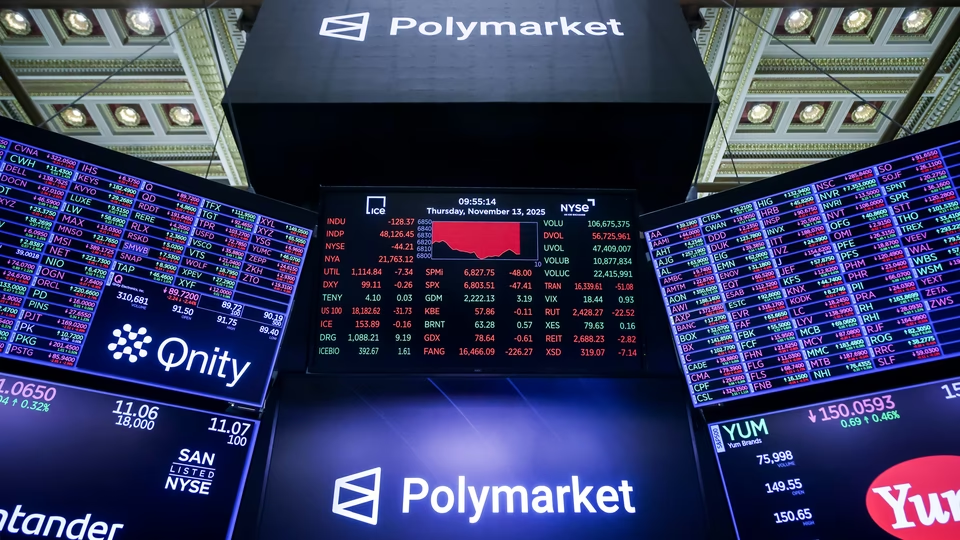
The most significant structural shift in modern media is the ascent of blockchain-based prediction platforms like Polymarket. Valued at $9 billion following massive institutional backing from Wall Street firms and Silicon Valley venture capitalists, these platforms operate as decentralized prediction markets. Users use digital stablecoins to bet on the outcome of real-world events, ranging from political elections and corporate mergers to federal court verdicts and macroeconomic policy changes.
Because real capital is on the line, these markets create an aggressive financial incentive for accuracy and speed. Consequently, prediction markets often move faster than traditional newsrooms. When a major geopolitical event occurs or a candidate drops out of a race, the shifting odds on a betting chart frequently break the news to the public before a legacy network can clear a push notification.
Mainstream cable networks have noticed. Primetime anchors regularly broadcast prediction market charts directly on screen, using speculative betting lines to drive real-time political commentary. The line between reporting what has happened and wagering on what will happen has completely blurred.
2. AI and the Mechanics of Predictive Reporting
Operating quietly in the background of this shift is advanced artificial intelligence. Media conglomerates and independent networks are deploying AI not just to write articles, but to orchestrate the entire lifecycle of a news story.
- Automated Content Desks: AI tools are fully capable of instantly aggregating data feeds to generate hyper-local financial summaries, real-time sports recaps, and real estate trend reports without human intervention.
- Predictive Editorial Analytics: Advanced algorithms monitor vast oceans of social media data, chat logs, and search trends. They detect micro-shifts in public sentiment, telling media executives exactly what topics are about to trend hours before they hit the mainstream.
- Optimized Engagement: Production teams use these predictive insights to script shows, craft headlines, and format video clips to trigger maximum emotional resonance, ensuring high click-through rates and sustained viewer retention.
3. The Influencer Monetization Loop
This convergence of tech and finance has created a highly lucrative pipeline for a new class of digital commentators. Influencers and citizen journalists utilize raw, confrontational vlogging styles to capture millions of eyes on hot-button political issues or government scandals.
Once a creator amasses a loyal, highly engaged audience, they become incredibly valuable assets for tech platforms and media networks. The monetization loop operates with clinical efficiency:
[Influencer Posts High-Emotion Video]
               │
               ▼
[Massive Digital Audience Tunes In]
               │
               ▼
[Corporate Sponsors Pay Out for Direct Placements]
               │
               ▼
[Viewers Driven to Trade/Bet on Platforms]
               │
               ▼
[Platforms Reinvest Profits to Fund the Influencer]
Investigative reporting has revealed that tech platforms bypass traditional ad agencies, sometimes utilizing stealth payment channels to distribute hundreds of thousands of dollars to prominent right-wing and independent commentators. By quietly funding these creators to feature specific platform data, tech entities secure direct pipelines to millions of potential traders.
When independent footage goes viral, it creates a self-sustaining financial cycle. The creator drives traffic to the prediction market, the platform captures the trading volume, and the resulting profits are reinvested back into the creator to fund further travel, high-end production, and private security teams.
4. The Structural Trade-Offs of the New Model
This emerging media paradigm offers unprecedented speed and removes traditional corporate gatekeepers, but it introduces deep systemic challenges to the nature of public truth.
The Incentives of Outrage vs. Accuracy
Traditional journalism operates under explicit ethical baselines: verifying documents, protecting innocent subjects, and offering targets a fair opportunity to respond. The algorithmic model, however, optimizes strictly for engagement. When an influencer walks up to a locked building or a complex situation and implies a massive conspiracy, the financial algorithm rewards the immediate shock value. By the time state regulators or investigators clarify the actual, nuanced facts, the viral clip has already generated its peak ad revenue.
The Threat of Corporate Consolidation
While advertised as an independent, decentralized alternative to the "mainstream media," the infrastructure of predictive reporting remains heavily consolidated. The financial powerhouses backing these platforms are the same billionaire political donors, Silicon Valley elite, and institutional Wall Street funds that have always sought to control the flow of capital and information. The gatekeepers have not disappeared; they have simply upgraded their software.
Conclusion: Information as an Asset
The future of news is no longer a passive record of historical facts. It is an active, speculative commodity. As artificial intelligence continues to refine what we see, and prediction markets continue to monetize what we believe, the public must learn to navigate a media landscape where news is built for profit, scaled by algorithms, and funded by the very outcomes people are betting on.